What are the benefits of homogeneous floor in modern flooring?
The trend of using a homogeneous floor is gaining momentum in modern flooring solutions. This type of floor offers a seamless aesthetic that appeals to many designers. Its uniform surface not only looks sleek but also provides practical benefits how homes and businesses function.
One major advantage of a homogeneous floor is its durability. Made from solid materials, it withstands heavy foot traffic with ease. This durability means less frequent replacements. This is not just about saving money; it also reduces waste in the long run. However, it raises questions about the environmental impact of production processes that may not be as eco-friendly as they seem.
Another notable benefit is maintenance. A homogeneous floor is easy to clean. The lack of joints or seams prevents dirt buildup. Yet, one could argue that its installation might require skilled labor, adding initial costs. Ultimately, while the aesthetic and practical advantages are clear, it's worth pondering the long-term implications of choosing a homogeneous floor for your space.
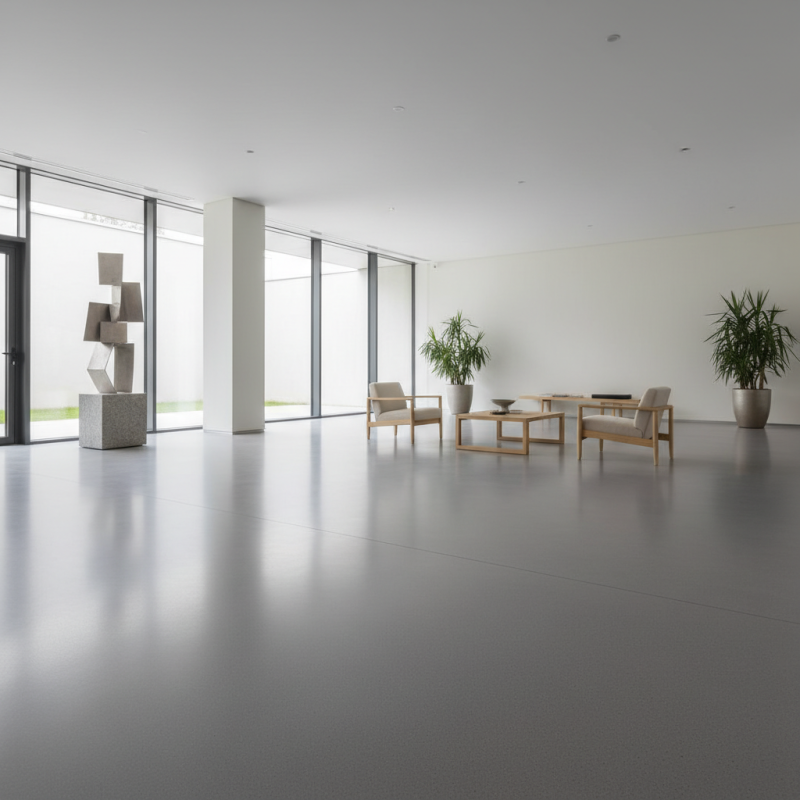
Benefits of Homogeneous Flooring: An Overview of Modern Options
Homogeneous flooring has gained popularity in modern interior design for various reasons. This type of flooring offers a seamless and consistent look, making it appealing for residential and commercial spaces. Its uniformity brings a sense of calm and order to any room. The smooth surface is not only visually pleasing but also easy to clean. Dust and dirt find it hard to settle in, making it low maintenance.
Another advantage is the durability of homogeneous flooring. It resists wear and tear effectively, standing up to heavy foot traffic. This makes it ideal for busy environments like offices and retail stores. However, some may argue it lacks the charm of more textured options. While it is durable, it can be slippery when wet. This is a consideration for households with small children or elderly individuals.
Furthermore, homogeneous flooring comes in an array of colors and patterns. It allows for personalization without overwhelming the aesthetic. However, choosing the right shade can be tricky. A light color may brighten a room, but it could show stains more easily. Balancing aesthetics with practicality is a challenge that homeowners will need to navigate.
Durability and Longevity of Homogeneous Floor Materials in High Traffic Areas
Homogeneous floors are gaining popularity due to their impressive durability, particularly in high-traffic areas. Research shows that these materials can withstand heavy foot traffic better than traditional flooring options. According to industry reports, homogeneous floors can last up to 20 years with proper maintenance. This longevity makes them a cost-effective choice over time. They resist wear, scratches, and stains, making them ideal for commercial spaces like retail stores and hospitals.
Tips for maintaining your homogeneous floor: Regularly sweep or vacuum to remove dirt and grit. It’s best to use a damp mop with a pH-neutral cleaner weekly. Avoid using harsh chemicals that can degrade the surface. Although these floors are tough, they can show scuffs and marks over time. It’s essential to deal with these promptly to maintain their aesthetic appeal.
Choosing the right homogeneous flooring can significantly impact your facility’s lifespan and upkeep. Evaluate factors like thickness and surface treatment when selecting materials. Remember, not all homogeneous floors are created equally; some may perform better than others in specific environments. Researching and understanding your options will lead to better long-term satisfaction.
Benefits of Homogeneous Floor in Modern Flooring
Cost-Effectiveness: Life Cycle Savings of Homogeneous Flooring Solutions
Homogeneous flooring offers impressive life cycle savings, making it a wise choice for modern spaces. The initial investment might seem high, but consider the long-term benefits. Maintenance costs are notably low due to its resilient structure. This durability translates into fewer replacements and repairs over time.
Installation can be straightforward. However, mistakes during this phase can lead to complications. Proper training and experience are crucial. If not addressed, these issues could negate any cost savings. Furthermore, homogeneous flooring can withstand heavy foot traffic, making it ideal for both residential and commercial settings.
Environmental impact is another crucial consideration. Many homogeneous flooring options are recyclable. This feature reduces waste and promotes sustainability. On the flip side, some materials may have a higher carbon footprint, raising concerns about their overall eco-friendliness. It's vital to research materials thoroughly. Investing in quality homogeneous flooring solutions can provide significant savings while addressing these complexities and concerns.
Health and Hygiene: Impact of Homogeneous Flooring on Indoor Air Quality
Homogeneous flooring is gaining attention for its health and hygiene benefits. One significant advantage is its positive impact on indoor air quality. Research shows that low-VOC (volatile organic compound) materials can effectively reduce pollutants. A study found that poor indoor air quality can lead to respiratory issues and allergies. Homogeneous flooring, being seamless and non-porous, helps prevent dust and allergens from settling.
Why does this matter? The American Lung Association indicates that poor indoor air quality can aggravate asthma and other conditions. A clean floor can contribute to a healthier environment. This type of flooring is easier to clean and maintain, allowing for regular sanitization. Resultantly, rooms can remain fresher and safer for occupants.
Tips: Regularly clean your floors with appropriate cleaners. Ensure good ventilation to promote air circulation. Consider scheduling professional cleanings. A clean environment is vital for overall health. Remember, even the most advanced flooring needs routine care to prevent buildup and maintain its benefits.
Aesthetic Versatility: Design Choices in Homogeneous Flooring Applications
Homogeneous flooring offers remarkable aesthetic versatility. Its seamless look creates a uniform surface, enhancing any room's design. This flooring type is available in a wide range of colors and textures. You can choose shades that match your decor or provide a bold contrast. Whether it’s for homes or commercial spaces, homogeneous flooring adapts beautifully.
Consider incorporating different patterns with homogeneous flooring. You could mix colors for a striking effect or create zones in open spaces. Think about using subtle textures to add depth without overwhelming the space. Sometimes, a simple pattern can make a big impact. Choose wisely based on your usage and mood of the area.
Tips: Always sample flooring in the actual space. Lighting can change how colors appear. If unsure about patterns, start with a single color and layer from there. Remember, your flooring is a long-term investment. It should reflect your style while serving practical needs.
What are the benefits of homogeneous floor in modern flooring? - Aesthetic Versatility: Design Choices in Homogeneous Flooring Applications
| Design Aspect | Description | Benefits |
| Color Variety | Available in a wide range of colors and patterns. | Allows customization to match any interior design. |
| Durability | Resistant to scratches, stains, and wear. | Long-lasting, reducing the need for frequent replacements. |
| Ease of Maintenance | Easy to clean and maintain regular hygiene standards. | Saves time and costs in upkeep. |
| Design Flexibility | Can mimic natural stone or wood aesthetics. | Offers the look of luxury with less maintenance. |
| Eco-Friendliness | Made from recyclable materials. | Contributes to sustainable building practices. |
 Metal Processing
 Automotive
 Food & Beverage
 Chemical
 Consumer Electronics
 Healthcare
 New Retail
 Semiconductor
 Welding
 Palletizing
 Loading and Unloading
 Assembly
 Bin Picking
 Gluing
 Insertion
 Polishing
