Industries

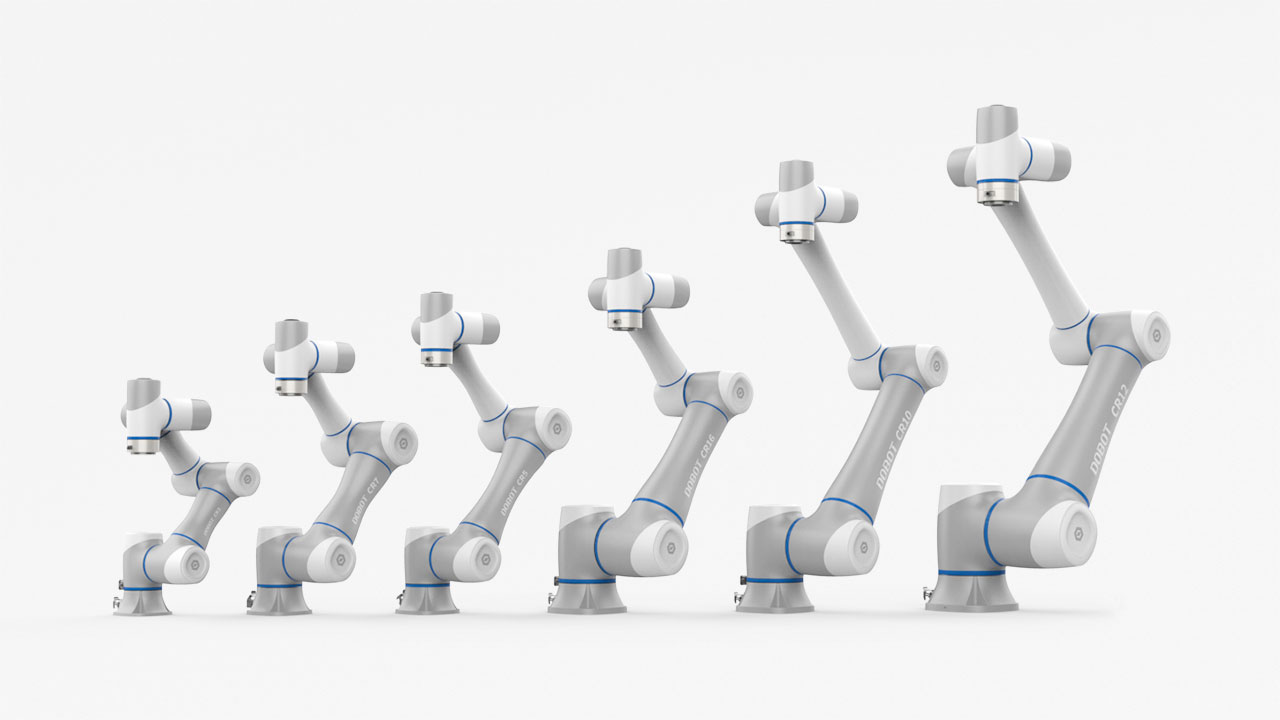
Collaborative robots offer competitive advantages to businesses across industries.
Learn More

Applications

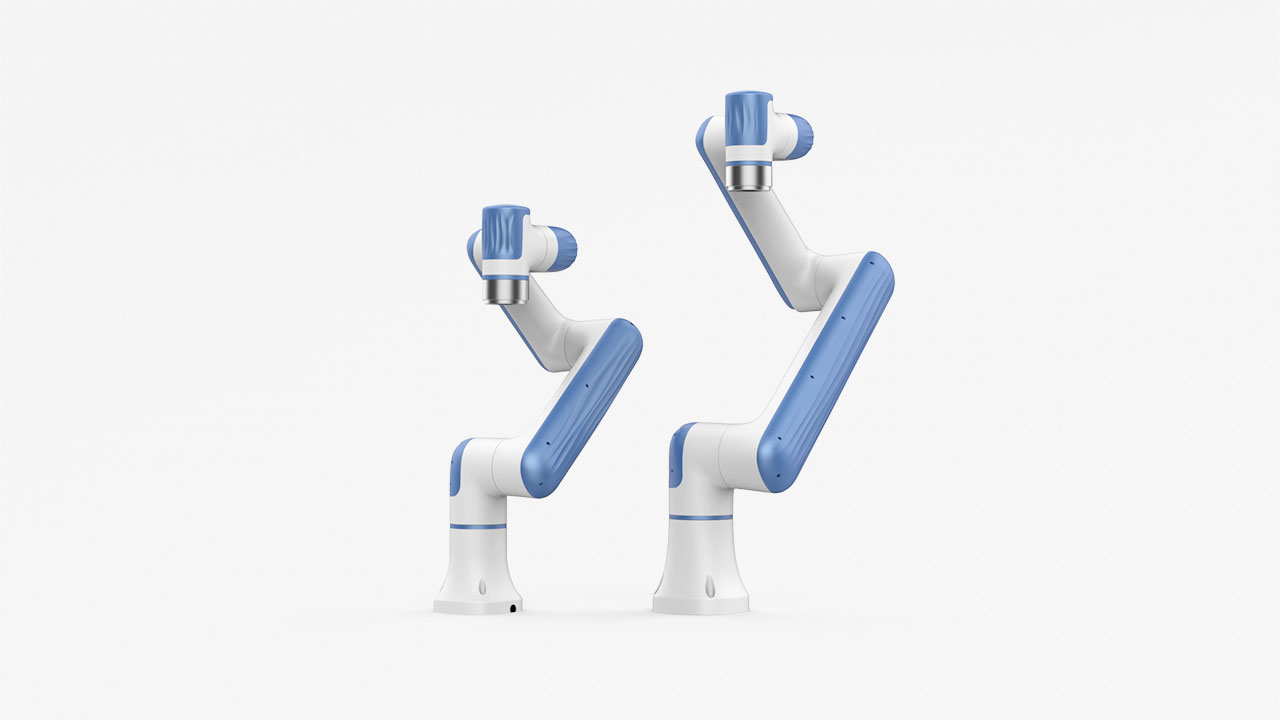
Dobot's robots are capable of performing a wide range of tasks more efficiently.
Learn More
Support

Blog

Providing professional services to meet various customer needs and qualified technical support to answer multiple questions. 

You ask - we answer. 

What are the Benefits of Industrial Robots in Manufacturing?

Industrial Robots are transforming manufacturing industries worldwide. They bring speed, efficiency, and precision. As Dr. Emily Chen, an expert in robotics, states, "Industrial Robots redefine the concept of productivity." Her insight highlights the tremendous impact these machines have on production processes.

The integration of Industrial Robots increases output while reducing labor costs. Factories now utilize robots for repetitive tasks. This allows human workers to focus on more complex operations. However, the transition presents challenges. Not all workers are equipped to adapt to new technologies.

Moreover, the initial investment in Industrial Robots can be high. Companies must weigh the upfront costs against potential benefits. Some businesses struggle to see immediate returns. Finding the right balance is crucial for long-term success.

What are the Benefits of Industrial Robots in Manufacturing?

Definitions and Types of Industrial Robots Used in Manufacturing

What are the Benefits of Industrial Robots in Manufacturing?

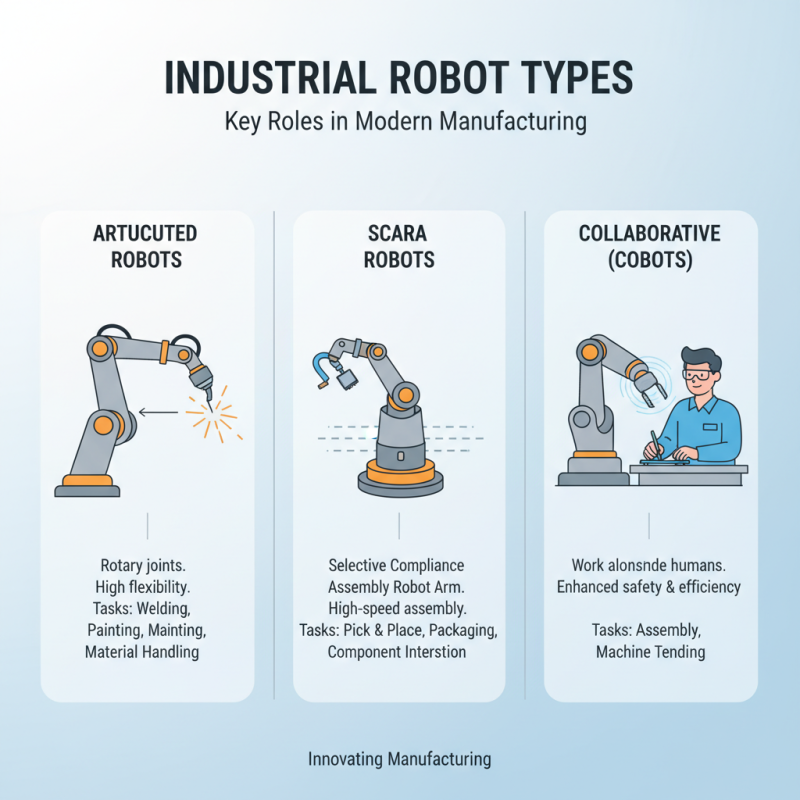
Industrial robots play a crucial role in modern manufacturing. They can be classified into several types, including articulated robots, SCARA robots, and collaborative robots (cobots). Articulated robots, which have rotary joints, excel in tasks requiring flexibility. SCARA robots are designed for high-speed assembly. Cobots work alongside human operators, enhancing safety and efficiency.

According to industry reports, the adoption of industrial robots has been increasing, with a 10% annual growth rate in recent years. This surge reflects the need for precision and productivity. Many manufacturers find that implementing robots reduces human error and streamlines operations. For instance, a study revealed that companies using robots can improve production rates by up to 30%.

However, there are challenges. Integrating industrial robots can be complex and expensive. Training staff to work with new technology is often necessary. Businesses must consider maintenance costs and potential downtime as well. The success of this technology hinges on careful planning and constant evaluation. Despite the benefits, not every organization can implement robots seamlessly. Companies should reflect on their specific needs before making the leap.

Increased Efficiency and Productivity through Automation

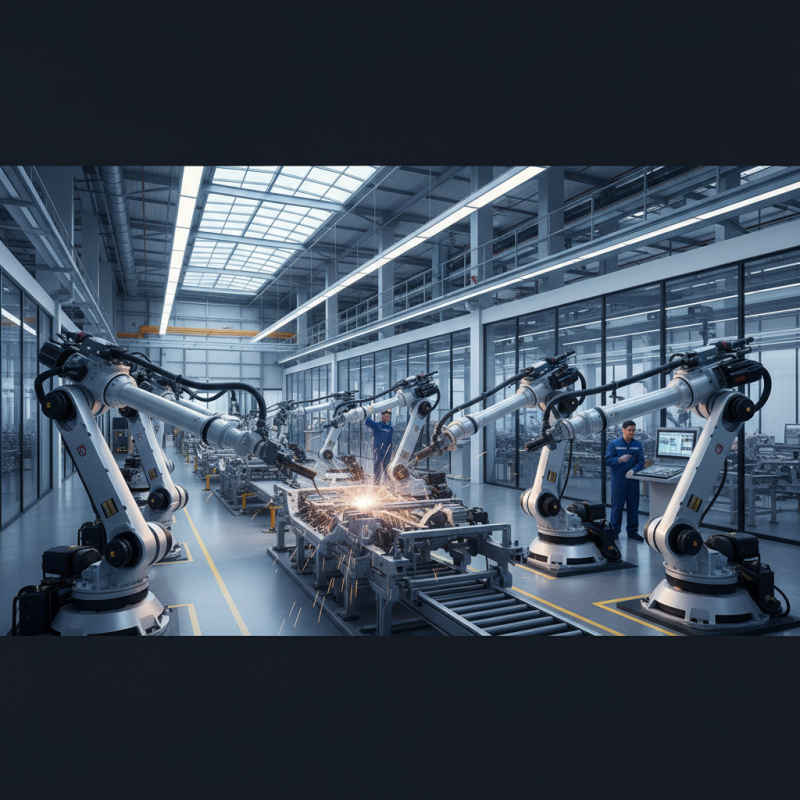
Industrial robots are transforming manufacturing by enhancing efficiency and productivity through automation. These machines can operate with incredible precision, consistently executing tasks faster than human workers. They can work tirelessly, producing high volumes of products with minimal downtime. Tasks like welding, painting, and assembly can be done with remarkable accuracy, reducing waste and improving quality.

Implementing industrial robots does come with challenges. The initial investment is substantial. Furthermore, companies must invest in training their employees to manage and work alongside these machines. This adjustment period can create temporary slowdowns in production. It's essential to reflect on how automation affects workforce dynamics. While robots take over repetitive tasks, there may be a need for workers to adapt to new roles. Balancing this transition is crucial to ensure a harmonious work environment.

Despite these hurdles, the advantages of automation cannot be ignored. An efficiently run production line minimizes human error and reduces production times. As industries evolve, they must navigate the complexities of integrating robots while also prioritizing their workforce's needs. This dual focus will ultimately dictate the success of automation in manufacturing.

Benefits of Industrial Robots in Manufacturing

Enhancing Product Quality and Consistency with Robotics

Robotics has transformed manufacturing, particularly in enhancing product quality and consistency. Industrial robots perform tasks with high precision, reducing human error. For example, a robot can weld parts together with exact specifications. This results in durable products that meet strict industry standards.

Using robots allows for uniformity in production. A machine can produce thousands of identical items without variation. This consistency is crucial in sectors where quality control is paramount. However, reliance on robotics can lead to concerns. What happens when robots malfunction? Faulty programming or hardware failure can disrupt production lines.

Employees must adapt to these changes. Training is essential to ensure that workers understand the technology. They also need to handle situations where robots underperform. Balancing automation and human oversight is vital for smooth operations. Choosing the right tasks for robots is key. Certain jobs still require a human touch, emphasizing the need for a thoughtful approach to automation.

Safety Improvements and Risk Reduction in Manufacturing Environments

Industrial robots play a crucial role in enhancing safety within manufacturing environments. These machines are designed to perform repetitive and dangerous tasks. By taking over these functions, they significantly reduce the risk of workplace accidents. For example, robots can handle heavy lifting, which eliminates the chance of employee injuries related to muscle strain. This shift allows workers to focus on tasks that require creativity and problem-solving.

Moreover, robots are equipped with advanced sensors to detect their surroundings. This capability helps prevent collisions with humans, reducing the likelihood of accidents. However, not all robots are faultless. There have been incidents where malfunctioning robots caused harm. This highlights the necessity for ongoing maintenance and monitoring. Teams must regularly assess the robots to ensure optimal performance to maintain safety.

Lastly, the integration of robots changes the dynamics of the workplace. Some workers may feel threatened by automation, fearing job loss. It’s essential for companies to address these concerns. Training employees to work alongside robots can foster a safer environment. Awareness of potential risks and robotic limitations can lead to better collaboration. Balancing technology with human insight is a key factor in achieving a truly safe manufacturing workplace.

Cost Savings and Return on Investment from Industrial Robot Implementation

The implementation of industrial robots in manufacturing can lead to significant cost savings and impressive return on investment (ROI). Reports indicate that companies can see a reduction in operational costs by up to 30% when using automation. This is largely due to increased efficiency and reduced labor costs. Additionally, studies show that each robotic unit can lead to a productivity gain of 20-30%.

Tips: Before integrating robots, analyze your workflow. Identify repetitive tasks that can be simplified. This will help in making a strong business case for automation.

While upfront costs for robotic systems can appear high, the long-term gains outweigh the initial investment. For instance, companies often recoup costs within 1-3 years. However, it’s crucial to be mindful of the maintenance and potential downtime that robots may incur. Some organizations experience a short learning curve that can temporarily affect productivity.

Tips: Regularly track performance metrics post-implementation. This will reveal areas for improvement. Embrace feedback from team members about integrating robots into daily tasks.

User Center Features Promotion

Learn useful insights, save and exchange knowledge easily with MyDobot User Center

Establish Contact with Dobot Experts

Take part in automation transformation. Let’s work together towards a more efficient tomorrow.

Contact Information

Virtual Controller Application

We provide a free trial application for the robot cloud virtual controller. Fill in the following information and we will issue you a 12-hour license.

Contact Information

File sent

The related product information has been sent, please kindly check your email.

Join Dobot+ Ecosystem to Forge Deeper Partnerships

Dobot sincerely invites robotics software companies and hardware manufacturers to Dobot+. Together we can offer best in class solutions to end users in various industries.

Contact Information

Contact Form

Home

Virtual Controller Application

Top