Industries

Collaborative robots offer competitive advantages to businesses across industries.
Learn More

Applications

Dobot's robots are capable of performing a wide range of tasks more efficiently.
Learn More
Support

Blog

Providing professional services to meet various customer needs and qualified technical support to answer multiple questions. 

You ask - we answer. 

Why Choose an Injection Molding Machine With Robot Automation?

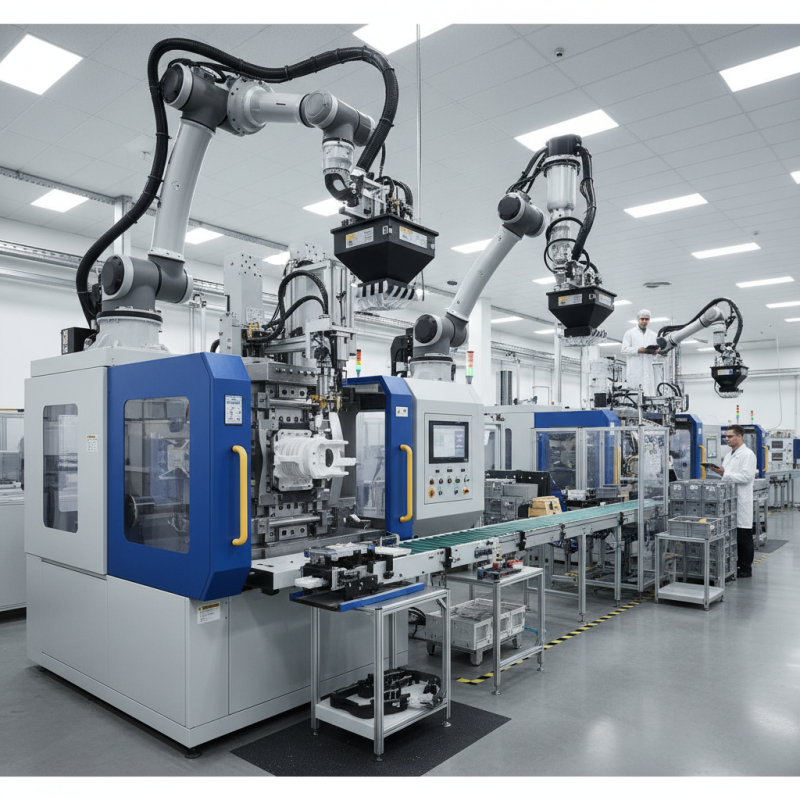
In the modern manufacturing landscape, efficiency is paramount. An Injection Molding Machine With Robot automation offers a transformative solution. This technology seamlessly integrates robotics with injection molding processes.

Combining precision and speed, these machines enhance production rates. Robots handle material loading, part extraction, and packaging tasks. This reduces human error and increases consistency. However, there are challenges to consider. Initial costs for these systems can be high. Additionally, training staff to work with advanced equipment takes time.

Despite these hurdles, the benefits are compelling. A well-implemented system can dramatically improve throughput. Ultimately, investing in an Injection Molding Machine With Robot automation may lead to long-term gains, outweighing the initial difficulties.

Why Choose an Injection Molding Machine With Robot Automation?

Benefits of Integrating Robot Automation in Injection Molding Machines

Injecting robot automation into molding processes brings notable advantages. It enhances efficiency and consistency in production. Automated systems can execute tasks faster than manual labor. According to a recent industry report, integrating robotic solutions can increase production output by up to 30%. This leaves less room for human error, which traditionally disrupts operations.

Moreover, robots can handle repetitive tasks. This minimizes workplace fatigue and injuries. Workers can then focus on more complex and critical tasks. A study revealed that automated systems improve safety metrics by reducing workplace accidents by approximately 25%. This significant improvement reflects the overall positive impact on the production environment.

Tips for companies considering automation: assess your current workflow. Identify bottlenecks that automation can resolve. It’s essential to ensure that all staff are properly trained for the new system. The transition phase can reveal unexpected challenges, requiring adaptability. Continuous evaluation of robot performance is crucial. Reflections on system efficiency will bring further optimization.

Key Features to Look for in Automated Injection Molding Solutions

Automated injection molding solutions are becoming essential in modern manufacturing. When choosing a machine, several key features enhance efficiency and productivity. One important aspect is the integration of robotic arms. These robots can handle parts quickly, reducing cycle times and improving output. Additionally, they minimize human error during the loading and unloading process.

Another critical feature to consider is precision control. An automated system should offer fine tuning of parameters. This ensures consistency in production quality. A machine that can adapt to different material types is also beneficial. Flexibility in handling various resins or grades is crucial for diverse applications.

Moreover, user-friendly interfaces are vital for effective operation. Complexity can frustrate operators and lead to mistakes. Machines with intuitive controls make training easier. However, there may still be a learning curve. The balance between automation and human oversight must be carefully managed. While robots streamline processes, they also require regular maintenance and monitoring. This can lead to downtime if not planned properly.

Why Choose an Injection Molding Machine With Robot Automation? - Key Features to Look for in Automated Injection Molding Solutions

Feature Description Benefits
Increased Efficiency Robot automation optimizes the injection molding processes. Reduces cycle time, leading to higher production rates.
Precision Control Automated systems enhance accuracy in material handling. Improves part quality and reduces scrap rates.
Flexibility Adaptable systems can handle various designs and modifications. Speeds up the changeover process for different production runs.
Labor Cost Reduction Minimizes the need for manual intervention. Decreases overhead costs associated with labor.
Safety Enhancements Robots perform hazardous tasks in place of humans. Improves workplace safety and reduces injury risks.

Impact of Robot Automation on Production Efficiency and Quality

In today's manufacturing landscape, robot automation plays a crucial role in enhancing production efficiency. Injection molding machines equipped with robotic arms streamline processes. These robots perform tasks like loading, unloading, and even quality inspections. With precise movements, they minimize errors that human workers might make. This kind of automation reduces production time, allowing for higher output.

However, integrating robots into injection molding requires careful planning. Operators need training to ensure machines and robots work seamlessly together. While the initial setup may be costly, the long-term benefits often outweigh these expenses. The reduction in cycle times can lead to significant savings. Yet, companies must remain vigilant about maintenance and troubleshooting. Machines can malfunction, causing delays, and this stresses the need for a skilled workforce to manage issues.

Moreover, robot automation can impact product quality. With consistent and repeatable actions, robots help maintain quality standards. However, they cannot catch every defect. Human oversight remains critical in monitoring the production process. This blend of automation and human skill can provide the best results. Striking the right technology balance can lead to increased quality and efficiency in the long run.

Impact of Robot Automation on Production Efficiency and Quality

Cost Considerations for Implementing Robotics in Injection Molding

Automating injection molding with robotics can seem daunting at first. However, understanding the cost considerations is crucial. The initial investment in robotic automation can be significant, often causing hesitation among manufacturers. But look closer. The labor savings from reduced manual handling can be substantial. Employees can focus on more complex tasks, which can boost overall productivity.

Maintaining a balance between automation and labor is important. Not every task may need a robot. There are instances where manual processes are more cost-effective. A careful assessment of each part and its production requirements is essential. Some companies might rush into automation without fully analyzing their specific needs. This can lead to unexpected costs and inefficiency.

Additionally, consider the long-term benefits. Robots often work faster and with greater precision, which can improve product quality. Fewer defects mean less waste and better utilization of materials. However, the transition phase can be challenging. Training staff to work alongside robots takes time. Some may resist these changes, leading to temporary declines in productivity. Assessing these factors thoroughly can help avoid pitfalls and ensure smoother integration.

Future Trends in Injection Molding Automation and Robotics Integration

The integration of robotics into injection molding is reshaping manufacturing. Automation enhances efficiency and precision, reducing human error. A robot can handle repetitive tasks, which frees operators for more complex work, paving the way for innovation.

As the industry evolves, the trend towards flexible automation is becoming evident. Smart robots can adapt to changing production needs. This responsiveness can significantly reduce downtime and setup times. However, integrating these advanced systems can present challenges. Training employees to work alongside robots is often neglected, leading to potential conflicts and inefficiencies on the shop floor.

Moreover, the investment in automation requires a thorough analysis. Companies must consider initial costs versus long-term gains. Not all operations are suitable for automation. A careful evaluation of specific tasks is necessary. Striking a balance between human operators and machines remains a topic of ongoing discussion.

User Center Features Promotion

Learn useful insights, save and exchange knowledge easily with MyDobot User Center

Establish Contact with Dobot Experts

Take part in automation transformation. Let’s work together towards a more efficient tomorrow.

Contact Information

Virtual Controller Application

We provide a free trial application for the robot cloud virtual controller. Fill in the following information and we will issue you a 12-hour license.

Contact Information

File sent

The related product information has been sent, please kindly check your email.

Join Dobot+ Ecosystem to Forge Deeper Partnerships

Dobot sincerely invites robotics software companies and hardware manufacturers to Dobot+. Together we can offer best in class solutions to end users in various industries.

Contact Information

Contact Form

Home

Virtual Controller Application

Top