Damper Actuator Tips for Optimal Performance and Efficiency?
The performance and efficiency of HVAC systems heavily rely on the effectiveness of the Damper Actuator. According to the American Society of Heating, Refrigerating and Air-Conditioning Engineers (ASHRAE), proper actuator functionality can improve system performance by up to 20%. Experts stress the importance of selecting the right type of Damper Actuator for specific applications to maximize efficiency. "Choosing the right actuator is not just about compatibility, it's about optimizing the entire system," says Dr. Emily Tran, a recognized authority in HVAC technologies.
In residential and commercial buildings, ineffective dampers can cause energy loss. Poorly functioning Damper Actuators may lead to temperature imbalances and increased operating costs. Maintaining these devices is critical, yet many overlook this aspect. A study from the Department of Energy reveals that around 30% of HVAC energy use is wasted due to malfunctioning dampers. Recognizing this fact is the first step toward achieving optimal performance.
Understanding the unique needs of your system and the role of Damper Actuators can guide better decision-making. Regular maintenance checks and updates can dramatically improve efficiency. However, even seasoned professionals sometimes underestimate the impact of a simple actuator on overall system health. This highlights the nuanced complexity of ensuring efficiency in HVAC operations.
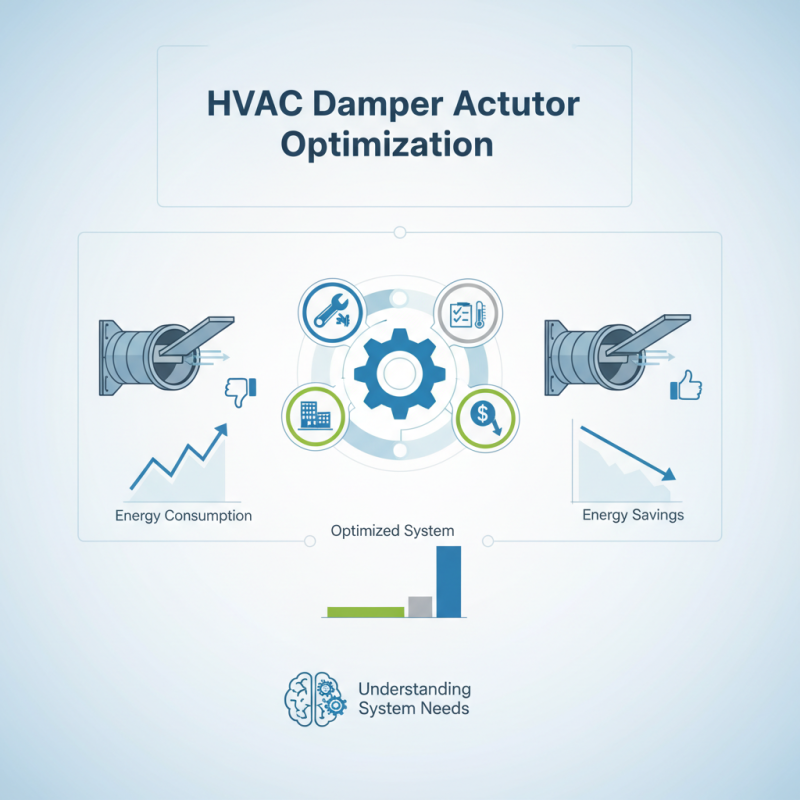
Understanding the Function of Damper Actuators in HVAC Systems
Damper actuators play a crucial role in HVAC systems. They control the flow of air in heating, ventilation, and air conditioning setups. This ensures optimal indoor comfort and energy efficiency. A well-functioning damper actuator adjusts air dampers based on system commands. This response can affect energy consumption and airflow.
To maximize the performance of damper actuators, consider regular maintenance. Clean the actuator and check for dust buildup. Dust can lead to slow responses or incorrect positioning. Ensure the electrical connections are tight. Loose wires can disrupt the signals the actuator receives, hampering its efficiency.
Another tip is to monitor the actuator's performance. Unusual noises or irregular movements can indicate potential issues. Address these early to prevent larger problems. Proper calibration of the actuator is essential, too. If it’s not set correctly, the airflow can become unbalanced, impacting system efficiency. Each of these steps can significantly influence overall HVAC system performance.
Key Factors Influencing Damper Actuator Performance and Efficiency
Damper actuators are essential for regulating airflow and maintaining energy efficiency in HVAC systems. Several factors impact their performance. One key aspect is the actuator's response time, which influences how quickly it can open or close dampers. Industry reports indicate that a delayed response can lead to energy losses of up to 20%.
Another critical factor is the torque output of the actuator. Insufficient torque can cause dampers to become sluggish. Effective torque output ensures that dampers move freely, preventing unnecessary strain. Regular maintenance is vital to ensure optimal torque levels. This includes checking connections and lubricating as needed.
Tip: Always choose an actuator suited for the specific application. Overestimating power requirements can lead to inefficient operation.
The installation environment also plays a significant role. Extreme temperatures can affect the actuator’s materials and functionality. For instance, a study found that performance dips by around 15% in temperatures beyond the recommended range.
Tip: Regularly assess the installation site for environmental factors. Ensure that the actuator is protected from potential extremes.
Considering these aspects can significantly enhance the efficiency and reliability of damper actuators in your systems. Careful planning and ongoing attention can yield better results.
Maintenance Best Practices for Damper Actuators
Proper maintenance of damper actuators is crucial for their optimal performance. Regular inspection helps identify potential issues early. Look for signs of wear, like unusual noises or sluggish movement. These often indicate that components need adjustment or replacement.
Lubrication is another key aspect. Use appropriate grease or oil to keep moving parts functioning smoothly. Neglecting this can lead to increased friction and eventual failure. Replace damaged seals promptly to prevent moisture ingress, which can cause rust and corrosion.
Temperature fluctuations can also affect actuator performance. Ensure that the installation environment is suitable. Check electrical connections for degradation regularly. Keeping these connections clean enhances reliability. A lack of attention to these details can lead to unanticipated breakdowns and inefficiencies in the system.
Regular training and reminders for maintenance staff can help mitigate these issues.
Common Issues and Troubleshooting Techniques for Damper Actuators
Damper actuators play a crucial role in controlling airflow in HVAC systems. However, they often face issues that affect their performance. Common problems include motor failure, wiring issues, and incorrect settings. Recognizing these symptoms early can save time and money.
When a damper actuator isn’t responding, check the power supply first. Ensure the connections are tight and free of corrosion. Sometimes, a simple reset can fix the problem. For mechanical issues, inspect the damper for obstructions. Dust accumulation can impede movement. Regular maintenance is essential but often overlooked.
Tips for optimal performance include checking regular maintenance schedules. Look for wear and tear on components. Clean the actuator and surrounding areas to ensure smooth operation. Additionally, use the correct actuator type for your application. This can prevent mismatched performance issues. If problems persist, consult with a professional for a detailed inspection.
Damper Actuator Tips for Optimal Performance and Efficiency
| Issue | Description | Troubleshooting Techniques | Preventive Measures |
| Noise | Unusual sounds during operation. | Inspect for loose components, lubricate moving parts. | Regular maintenance checks, lubrication schedule. |
| Failure to Operate | Actuator does not move to set position. | Check power supply and connections, test control signals. | Inspect wiring and connections regularly. |
| Sticking | Actuator does not move freely. | Inspect for debris or obstructions, lubricate. | Regular cleaning and lubrication of moving parts. |
| Overheating | Actuator becomes excessively hot during operation. | Check for load issues and inspect cooling mechanisms. | Ensure proper sizing and cooling for the application. |
Advancements in Damper Actuator Technology and Their Benefits
Advancements in damper actuator technology have transformed HVAC systems significantly. Recent reports indicate the global damper actuator market is projected to reach $3.4 billion by 2026, reflecting a growing demand for efficient climate control solutions. Improved efficiency means better energy savings. For instance, modern electromechanical actuators can reduce energy consumption by up to 30% compared to older models. This shift highlights the urgency for system upgrades.
Many facilities still use outdated dampers, sacrificing performance. Newer models offer features such as smart controls and enhanced responsiveness. These benefits lead to more precise airflow control, crucial for maintaining indoor air quality. Yet, some installations still face issues like lag times in actuator response. Operators must remain vigilant about maintenance. Regular checks can prevent performance dips.
Moreover, the integration of IoT technology allows for real-time monitoring. Facilities with smart actuators report a 20-40% increase in operational efficiency. However, some users must grapple with the complexity of these systems. Training staff effectively is essential. Balancing performance and user-friendliness remains a key challenge. Emphasizing easy-to-use interfaces can facilitate better adoption.
 Metal Processing
 Automotive
 Food & Beverage
 Chemical
 Consumer Electronics
 Healthcare
 New Retail
 Semiconductor
 Welding
 Palletizing
 Loading and Unloading
 Assembly
 Bin Picking
 Gluing
 Insertion
 Polishing
