Industries

Collaborative robots offer competitive advantages to businesses across industries.
Learn More

Applications

Dobot's robots are capable of performing a wide range of tasks more efficiently.
Learn More
Support

Blog

Providing professional services to meet various customer needs and qualified technical support to answer multiple questions. 

You ask - we answer. 

What is an Electric Ball Valve and How Does it Work?

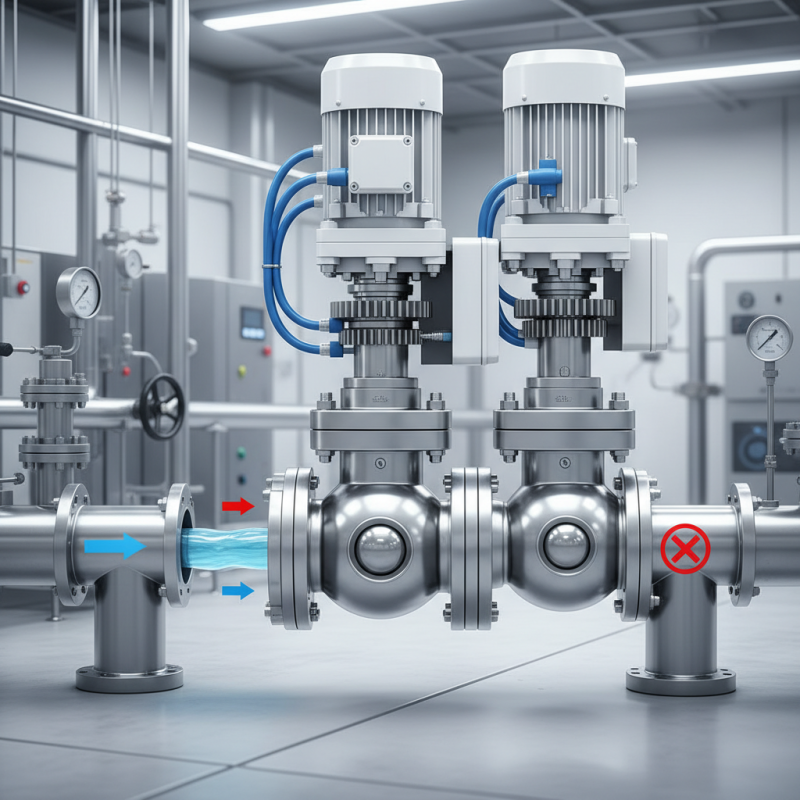
Electric Ball Valves are essential components in modern industrial systems. These devices control fluid flow with precision. They combine the functionality of a traditional ball valve with electric actuation, offering automation benefits.

The mechanism is simple yet effective. An electric motor rotates the ball inside the valve. This rotation precisely opens or closes the flow path. Users often appreciate the efficiency and reliability of Electric Ball Valves in various applications. However, issues can arise. Misalignment or electrical failures may hinder performance. Regular maintenance can mitigate these risks.

Understanding Electric Ball Valves improves operational efficiency. Knowledge of their function helps in diagnosis when things go wrong. The critical aspect is recognizing their advantages and potential drawbacks. This awareness drives better decision-making in industrial environments.

What is an Electric Ball Valve and How Does it Work?

What is an Electric Ball Valve?

An electric ball valve is a crucial component in fluid control systems. It utilizes electric power to operate a ball-shaped disc. This valve opens or closes to regulate flow. When the valve receives an electric signal, it turns the ball to either allow or stop fluid movement. This mechanism is efficient and reliable.

Tips: Always check the specifications before installation. Compatibility with your fluid type is vital. Improper installation can lead to leaks, which are costly.

These valves come in various sizes and materials. Commonly, they are made from brass or plastic. The choice of material depends on the application. For example, corrosive fluids may require special materials. Remember that maintenance is essential for longevity. Neglecting routine checks can lead to failures.

In some cases, users report issues with responsiveness. Delays in signal processing can occur. This can disrupt operations. Regular maintenance can help minimize these problems.

Key Components of Electric Ball Valves

Electric ball valves are essential in modern industrial applications. Understanding their key components helps appreciate their functionality. They typically consist of a ball, actuator, and control panel. The ball controls flow with its spherical design. When rotating the ball, the valve opens or closes. This ensures efficient fluid movement.

The actuator plays a crucial role. It converts electrical energy into mechanical motion, rotating the ball. Actuators can be powered by AC or DC currents. This variability allows for different applications across industries. Control panels send signals to actuators, dictating valve position. These signals can come from sensors or manual inputs.

However, not all installations are perfect. Sometimes, incorrect wiring can lead to operational failures. Additionally, the quality of seals can wear down over time. Maintenance is often overlooked, which can cause leaks. Regular checks are vital to ensure long-term performance. Proper understanding of these components is essential for optimal operation.

How Electric Ball Valves Operate

Electric ball valves are advanced devices used to control the flow of fluids in a system. They operate through an electric motor that rotates a ball with a hole drilled through its center. When the ball aligns with the flow, it opens the valve. When the ball rotates to a perpendicular position, it closes the valve. This on-off mechanism is efficient and reliable.

The electric motor's operation is typically controlled by a switch or a controller, which can be manual or automated. Users can manage the flow rate and pressure effectively. In many systems, these valves are integrated with sensors that provide feedback on the system’s performance. However, the complexity can sometimes lead to challenges, especially in installation and maintenance.

Issues may arise from improper alignment or electrical failures, causing inefficient operation. Users should regularly check wiring and connections. It is crucial to consider the surrounding environment, as moisture and temperature changes can impact performance. Monitoring these factors can help maintain optimal function.

Applications of Electric Ball Valves in Various Industries

Electric ball valves are crucial in various industries. Their ability to manage the flow of liquids and gases makes them indispensable in modern applications. In the oil and gas sector, for example, they help control pipeline pressures and monitor systems efficiently. According to a recent report, over 30% of oil and gas operators are integrating electric valving systems into their operations.

In the water treatment industry, electric ball valves reduce waste. They enable precise control of the filtration process. This technology serves to optimize chemical dosing in treatment plants, enhancing overall efficiency. The global market for electric ball valves in water systems is projected to grow by 7% annually, reflecting their increasing reliance.

However, reliance on technology has its downsides. Maintenance challenges can arise, and operators may face difficulties in troubleshooting issues. Data from industrial surveys indicate that nearly 15% of users experienced operational failures due to lack of proper training. Addressing these gaps is essential for successful integration and optimal performance in various applications.

Applications of Electric Ball Valves in Various Industries

Advantages and Disadvantages of Using Electric Ball Valves

Electric ball valves offer several advantages and disadvantages. Their primary benefit is automation. This feature allows for precise control over fluid flow. Installation is usually simple and quick, saving time and labor costs. Moreover, electric ball valves can integrate easily with various control systems.

However, some drawbacks exist. They may require a power supply for operation. In case of a power failure, manual control could become necessary. Furthermore, electric ball valves often have higher initial costs compared to manual counterparts. This can be a concern for budget-conscious projects.

Tips: Regular maintenance is essential. Inspect the electrical components frequently. Look for wear or damage. It's also wise to keep spare parts on hand for quick repairs. Awareness of the system's requirements helps in choosing the right valve type. Consider these aspects during your planning phase.

Article Source:

User Center Features Promotion

Learn useful insights, save and exchange knowledge easily with MyDobot User Center

Establish Contact with Dobot Experts

Take part in automation transformation. Let’s work together towards a more efficient tomorrow.

Contact Information

Virtual Controller Application

We provide a free trial application for the robot cloud virtual controller. Fill in the following information and we will issue you a 12-hour license.

Contact Information

File sent

The related product information has been sent, please kindly check your email.

Join Dobot+ Ecosystem to Forge Deeper Partnerships

Dobot sincerely invites robotics software companies and hardware manufacturers to Dobot+. Together we can offer best in class solutions to end users in various industries.

Contact Information

Contact Form

Home

Virtual Controller Application

Top