What is Gp Silicone Sealant and How to Choose the Best?
Gp Silicone Sealant stands out as a versatile adhesive known for its durability. Homeowners and builders often rely on it for various projects. From sealing windows to bathrooms, its application is widespread. However, choosing the best Gp Silicone Sealant can be overwhelming. There are numerous brands and types available.
When selecting the right sealant, consider its strengths and weaknesses. Some products excel in moisture resistance, while others offer flexibility. Knowing your specific needs will guide you toward the best choice. It's essential to focus on quality and performance. Not all silicone sealants are created equal, and a poor selection can lead to disappointing results.
Understanding the product's formulation is vital. Some silicones may contain harmful chemicals, impacting indoor air quality. Research manufacturers to ensure you choose a reliable brand. In a market flooded with options, prioritizing safety and effectiveness remains crucial. Each project presents unique challenges, and the right Gp Silicone Sealant can make all the difference.
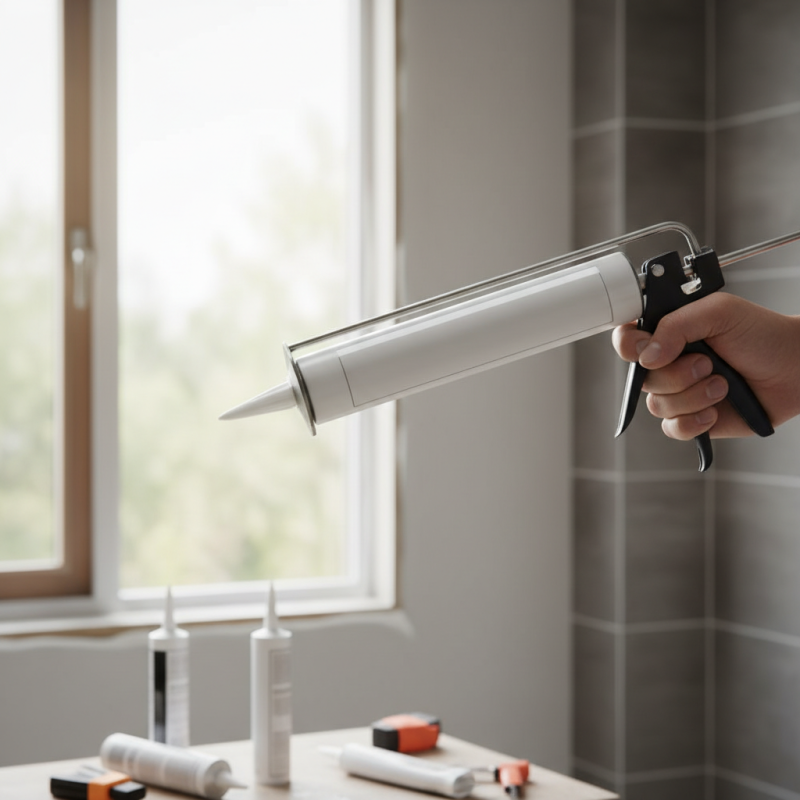
What is GP Silicone Sealant?
GP silicone sealant is a versatile adhesive used for sealing gaps and joints in various applications. It is known for its flexibility, durability, and water resistance. This type of silicone can be applied in bathrooms, kitchens, or even on windows. Often, it is chosen for its ability to withstand environmental stressors, such as humidity and extreme temperatures.
When selecting GP silicone sealant, compatibility is key. Different surfaces may require specific types of silicone. For instance, glass, metal, and plastic have unique needs. Always check the manufacturer's guidelines for your project.
**Tips:** Test the sealant on a small surface before full application. This helps prevent any unwanted reactions. Make sure the area is clean and dry. Dust and moisture can compromise the sealant's bond.
Another important aspect is curing time. Some formulations cure faster than others. If you're on a tight schedule, consider this factor. Proper curing ensures the sealant performs well over time.
**Tips:** Keep the workspace ventilated. A well-ventilated area can improve the curing process. Aim for optimal temperature conditions; extremes can affect effectiveness.
Comparison of Different Types of Silicone Sealants
Key Properties and Advantages of GP Silicone Sealant
GP silicone sealant is renowned for its versatility and durability. Its primary properties make it a popular choice in various construction and repair applications. Notably, it exhibits excellent adhesion to many surfaces including glass, metal, and plastics. According to a recent industry report, nearly 70% of construction professionals prefer silicone sealants due to their long-lasting performance.
One notable advantage is its resistance to extreme temperatures. GP silicone sealant can typically withstand temperatures ranging from -60°C to +200°C. This temperature resilience is crucial for outdoor applications where materials expand and contract. Moreover, it features exceptional water resistance, making it ideal for bathrooms and kitchens. Data from market research shows that around 75% of users report satisfaction with the sealant's waterproof properties.
Despite its many benefits, some users encounter challenges. For example, improper surface preparation can lead to adhesion failures. Additionally, the curing time can vary, which may affect project timelines. Awareness of these issues is essential. Understanding the specific application needs ensures you select a product that meets your requirements. Thus, while GP silicone sealant offers many advantages, users must approach its application with care and attention to detail.
Common Applications of GP Silicone Sealant
GP silicone sealant is widely used in various applications, from home repairs to industrial projects. One common use is in bathrooms and kitchens. Here, it prevents moisture from causing damage. It is crucial to apply sealant around sinks, tubs, and countertops. The flexibility of GP silicone allows it to handle temperature changes effectively.
Another major application is in window and door installations. Sealant creates a barrier against air and water infiltration. This enhances energy efficiency, keeping homes comfortable. When choosing a sealant for these areas, consider properties like adhesion and longevity. Testing during different weather conditions can reveal performance issues.
Users often report that ensuring a clean surface is vital before application. Dust and grease can hinder the bond. Over time, sealant may degrade due to UV exposure. Regular inspection can help identify areas needing touch-ups. Balancing aesthetics and functionality is essential when choosing your sealant, ensuring it meets both needs without compromising on durability.
What is GP Silicone Sealant and How to Choose the Best? - Common Applications of GP Silicone Sealant
| Attribute | Details |
| Type | Acetoxy and Neutral Cure |
| Main Uses | Construction, Automotive, Plumbing |
| Temperature Resistance | -50°C to 150°C |
| Waterproof | Yes |
| Curing Time | 24 hours |
| Color Options | Clear, White, Black, Gray |
| Application Method | Caulking Gun |
| Adhesion | Glass, Metal, Wood, Plastics |
| Shelf Life | 12 months |
| Common Brands | Various |
Factors to Consider When Choosing GP Silicone Sealant
When choosing GP silicone sealant, it's crucial to consider several key factors. The right formulation can make a significant difference in performance. A report by the Adhesive and Sealant Council highlights that correct usage of silicone products enhances bond strength and longevity in various applications. Always assess the specific environment where the sealant will be applied—whether indoors or outdoors. Factors such as humidity, temperature changes, and UV exposure can degrade sealant over time.
Next, evaluate the sealant's adhesion properties. Some silicone sealants are designed for glass and metal, while others work best with different materials. Choosing the wrong type can lead to premature failure. In a study by the American Institute of Architects, it was found that more than 30% of sealant failures were due to improper material selection. Additionally, the ease of application is another consideration. Some products may require special tools or techniques, adding to the complexity.
Finally, consider curing time and flexibility. Sealants with longer curing times can delay project completion. In terms of flexibility, high-quality silicone should adjust to movement without cracking, maintaining the integrity of the seal. Industry experts recommend testing small areas first. There’s often a gap between expected and real-world performance, hence reflective testing is advised.
Tips for Proper Application and Maintenance of GP Silicone Sealant
When applying GP silicone sealant, preparation is crucial. Start by cleaning the surface thoroughly. Remove any dirt, grease, or old sealant. Use a scraper or adhesive remover for stubborn residues. A clean surface ensures a strong bond. Applying sealant to a dirty area can lead to peeling or damage over time.
Proper application technique makes a difference. Use a caulking gun for even distribution. Apply a steady pressure. Aim for a smooth, continuous line. If you make a mistake, don’t panic. You can smooth out imperfections using a damp finger or a tool. It’s okay to practice on a scrap surface first.
Once applied, maintenance is key. Regularly check the seal for cracks or discoloration. Tighten the area if moisture seeps through. Reseal as needed to prevent larger issues. Don't wait too long; neglecting upkeep can lead to damage that’s harder to fix. Be proactive and attentive to ensure long-lasting performance.

 Metal Processing
 Automotive
 Food & Beverage
 Chemical
 Consumer Electronics
 Healthcare
 New Retail
 Semiconductor
 Welding
 Palletizing
 Loading and Unloading
 Assembly
 Bin Picking
 Gluing
 Insertion
 Polishing
